
SaaS Business: Unlocking Opportunities in the Digital Era
Introduction
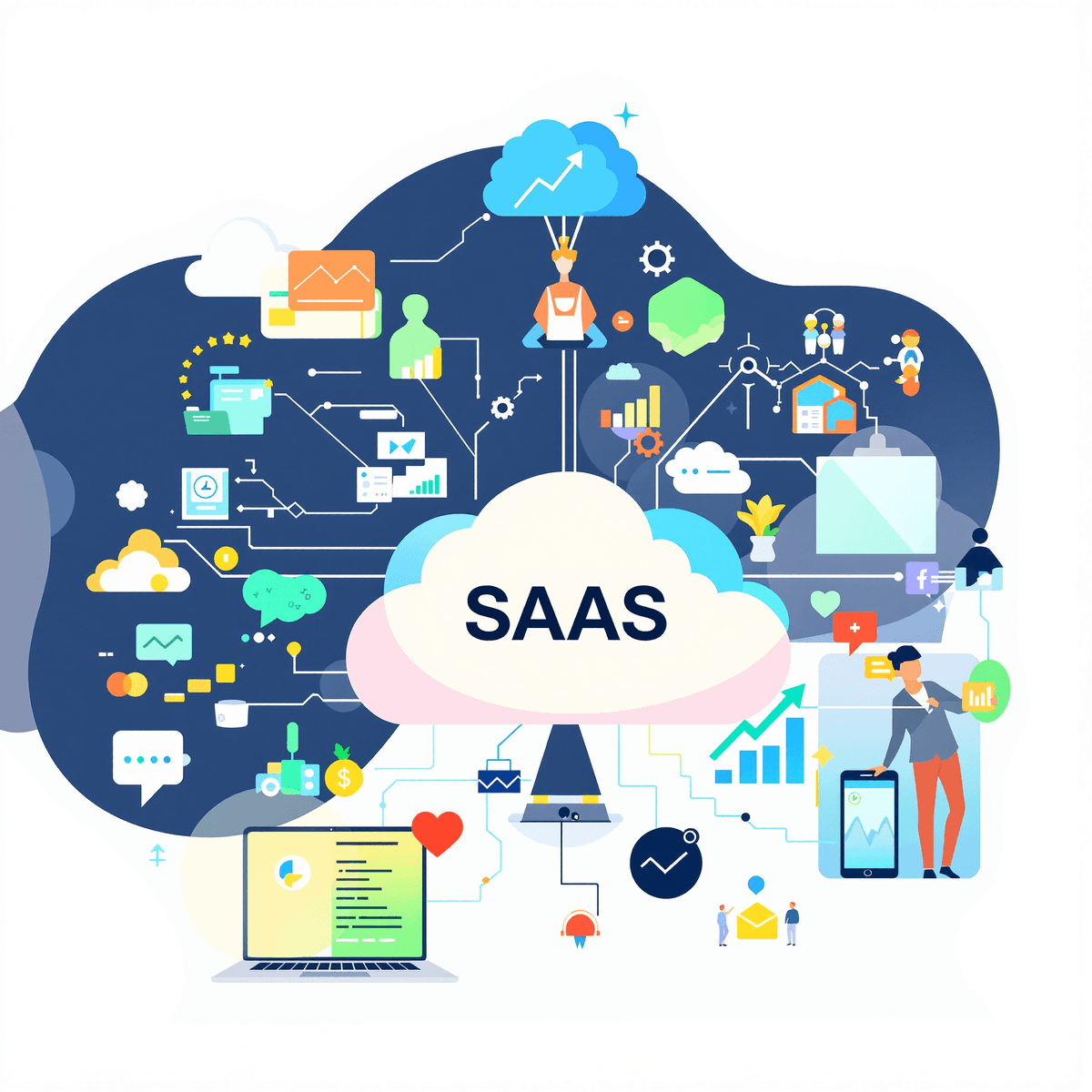
Software as a Service (SaaS) has changed the way businesses operate, work together, and provide value to their customers. This cloud-based software delivery model allows companies to use powerful applications over the internet, eliminating the need for complicated installations and maintenance on individual devices.
In today's digital age, businesses of all sizes must be flexible and innovative. SaaS solutions offer the ideal platform to meet these demands, providing:
- Access from anywhere: With SaaS, you can use applications on any device with an internet connection, making it easy for remote teams and employees on the go.
- Cost savings: Instead of investing in expensive software licenses and hardware upgrades, businesses can subscribe to SaaS services at a lower cost. This frees up resources for other critical areas of your business.
- Hassle-free maintenance: SaaS providers handle all updates and maintenance tasks automatically. You can focus on running your business without worrying about software issues.
- Scalability: As your business grows, so do your software needs. SaaS solutions can easily scale with you, allowing you to add more users or features as required.
The global SaaS market is projected to reach $1,131.52 billion by 2032, indicating significant growth potential. This presents unique opportunities for businesses to:
- Create new products or services
- Expand into different markets
- Optimize internal processes
- Improve customer satisfaction
To succeed in this digital era, it is crucial for businesses to embrace technological advancements like SaaS. By adopting these solutions, companies can enhance their efficiency, reduce costs, and stay adaptable in an ever-changing marketplace.
However, it's important to note that the SaaS revolution goes beyond just technology—it's about reshaping your entire business model. Understanding how SaaS can benefit your organization will enable you to meet evolving customer needs and industry demands effectively.
In this article, we will explore various aspects of the SaaS revolution and its impact on businesses today. Whether you're already using SaaS or considering its implementation, this guide will provide valuable insights into leveraging this transformative technology for sustainable growth in our increasingly digital world.
The Growth of the SaaS Market
The global SaaS market is experiencing significant growth, with current valuations reaching $266.23 billion in 2024. Industry projections indicate a substantial increase to $1,131.52 billion by 2032, demonstrating a strong compound annual growth rate (CAGR) of 20.0%.
This rapid growth can be attributed to several key factors:
1. Cloud-Based Solutions Adoption
- Rising demand for scalable infrastructure
- Increased flexibility in data access
- Cost-effective deployment options
- Enhanced security protocols
2. Remote Work Revolution
- 73% of organizations now utilize SaaS applications
- Accelerated adoption due to COVID-19
- Improved collaboration capabilities
- Geographic barriers elimination
The market's impressive CAGR reflects fundamental shifts in business operations:
1. Integration Capabilities
- Seamless connection between different tools
- Streamlined workflows
- Enhanced productivity
2. Data-Driven Decision Making
- Centralized analytics
- Real-time insights
- Improved business intelligence
3. Cost Structure Evolution
- Subscription-based pricing
- Reduced upfront investments
- Predictable operational expenses
The rise of micro-SaaS businesses adds another dimension to market growth, with these niche-focused services achieving profit margins between 70% to 80%. These specialized solutions target specific industry needs, creating new market segments and opportunities.
Regional market distribution shows the United States leading with approximately 70% of businesses incorporating SaaS solutions. This dominance stems from:
- Advanced technological infrastructure
- High digital literacy rates
- Strong venture capital presence
- Early adoption culture
Content collaboration and communication segments currently lead the market, while healthcare emerges as the fastest-growing sector. This diversification across industries indicates the versatility and adaptability of SaaS solutions in meeting varied business requirements.
The public and hybrid cloud solutions adoption continues to accelerate market expansion, providing businesses with flexible deployment options and enhanced security features. This trend particularly benefits enterprises requiring customized solutions while maintaining data sovereignty and compliance requirements.
Understanding SaaS Applications
SaaS applications are cloud-based software solutions that can be accessed through web browsers or dedicated apps. This eliminates the need for complicated installations on local devices. These applications cater to various business needs across different categories:
Popular SaaS Application Types:
- Customer Relationship Management (CRM): Salesforce, HubSpot, Zoho CRM
- Project Management: Asana, Monday.com, Trello
- Communication and Collaboration: Slack, Microsoft Teams, Zoom
- Financial Management: QuickBooks Online, Xero, FreshBooks
- Human Resources: Workday, BambooHR, Gusto
Key Benefits of SaaS Solutions:
- Cost Efficiency: No upfront infrastructure costs, predictable subscription-based pricing, reduced IT maintenance expenses
- Scalability: Flexible user licensing, easy resource allocation, quick capacity adjustments
- Accessibility: 24/7 availability, multi-device compatibility, remote work enablement
- Automatic Updates: Regular feature improvements, security patches, bug fixes without manual intervention
- Integration Capabilities: API connectivity, cross-platform compatibility, workflow automation options
The implementation of SaaS applications streamlines business operations through built-in automation and standardized processes. Companies can mix and match different SaaS solutions to create customized tech stacks that align with their specific needs.
Small businesses benefit from enterprise-grade capabilities previously accessible only to larger organizations. A startup can utilize the same powerful CRM system as a Fortune 500 company, leveling the playing field in terms of technological capabilities.
Data security and compliance features come standard with most SaaS applications. Providers maintain robust security measures, including:
- Regular security audits
- Data encryption
- Compliance certifications
- Automated backup systems
- Disaster recovery protocols
The flexibility of SaaS applications allows businesses to adapt quickly to changing market conditions an
Opportunities for Businesses in the Digital Era
The digital transformation has created unprecedented business opportunities through SaaS solutions. You can now launch and scale your business with minimal upfront investment, thanks to innovative pricing models and flexible payment structures.
Revolutionary Business Models
Subscription-Based Pricing
- Monthly/annual recurring revenue streams
- Predictable cash flow management
- Customer lifetime value optimization
- Flexible tier-based pricing options
Pay-As-You-Go Plans
- Usage-based billing
- Resource optimization
- Cost control for businesses
- Scalability on demand
These pricing models enable businesses to start small and scale as needed, eliminating the traditional barriers to entry in software deployment.
Investment Landscape
The SaaS sector has captured significant investor attention, with venture capital funding reaching $30 billion in 2022. This robust investment climate presents opportunities for:
- Startup GrowthSeed funding for innovative solutions
- Series funding for market expansion
- Strategic partnerships
- Mergers and acquisitions
- Market Entry PointsMicro-SaaS businesses (70-80% profit margins)
- Niche market solutions
- Industry-specific applications
- Regional market opportunities
Emerging Business Opportunities
The SaaS ecosystem continues to evolve, creating new revenue streams:
- White-label solutions
- API integrations
- Custom development services
- Implementation consulting
- Training and support services
Vertical Market Potential
Different industries present unique opportunities for SaaS solutions:
- Healthcare: Digital health platforms
- Finance: Automated accounting systems
- Education: Learning management systems
- Retail: E-commerce solutions
- Manufacturing: Supply chain management
The current market dynamics favor businesses that can identify and fill specific industry needs. With 73% of organizations already utilizing SaaS applications, the market shows strong potential for continued growth and innovation.
Enhancing Employee Experience with SaaS
SaaS solutions are changing the way we work by making operations smoother and giving employees user-friendly tools. Today's workforce enjoys easy collaboration features that eliminate traditional communication hurdles and boost productivity.
Real-Time Collaboration Benefits:
- Simultaneous document editing
- Instant messaging and video conferencing
- Shared calendars and task management
- Automated workflow processes
- Cross-department data accessibility
The implementation of SaaS platforms reduces manual tasks by up to 40%, allowing employees to focus on strategic initiatives rather than repetitive operations. Teams can access critical information anywhere, anytime, creating a flexible work environment that adapts to individual needs.
Service Deployment Advantages:
- 40% faster deployment compared to traditional software
- Minimal IT support requirements
- Automatic updates and maintenance
- Reduced employee training time
- Scalable user management
SaaS platforms enable rapid response to market changes through quick feature deployment and updates. Your teams can adapt to new business requirements without waiting for lengthy installation processes or complex system configurations.
Employee Workflow Improvements:
- Centralized data access
- Standardized processes
- Reduced duplicate work
- Enhanced decision-making capabilities
- Improved work-life balance
Real-world examples show significant productivity gains through SaaS adoption. Companies report up to 30% increase in employee satisfaction when using cloud-based collaboration tools. The ability to access work platforms from any device creates a seamless transition between office and remote work environments.
Data-Driven Insights:
- Performance tracking
- Project progress monitoring
- Resource allocation optimization
- Team productivity analysis
- Custom reporting capabilities
SaaS solutions provide valuable analytics that help managers understand team dynamics and optimize workflows. These insights enable data-driven decisions about resource allocation and process improvements.
The integration capabilities of SaaS platforms create a unified digital workspace where employees can switch between applications effortlessly. This interconnected environment reduces context switching and increases focus time by up to 25%.
Security and Compliance:
- Role-based access control
- Data encryption
- Audit trails
- Compliance monitoring
- Automated backup systems
These security features protect sensitive information while maintaining easy access for authorized personnel. Employees can work confidently knowing their data is secure.
Challenges Faced by SaaS Companies
Running a successful SaaS company requires navigating several critical challenges that can impact growth and sustainability. Two primary concerns stand at the forefront: data security and customer churn.
Data Security Concerns
Data breaches and security incidents pose significant threats to SaaS operations. Recent statistics show:
- 43% of data breaches involve cloud-based applications
- Misconfiguration accounts for 63% of security incidents
- The average cost of a data breach reaches $4.35 million
To address these security challenges, SaaS companies must implement:
- Multi-factor authentication protocols
- Regular security audits and penetration testing
- End-to-end encryption for data transmission
- Compliance with industry regulations (GDPR, HIPAA, SOC 2)
- Automated security monitoring systems
Customer Churn Management
Customer retention presents another significant challenge, with the average SaaS churn rate ranging between 5-7% annually. High customer acquisition costs make retention crucial for profitability.
Key factors contributing to churn:
- Poor user experience
- Lack of perceived value
- Inadequate customer support
- Missing essential features
- Price sensitivity
Effective retention strategies include:
- Implementing proactive customer success programs
- Creating detailed user onboarding experiences
- Monitoring usage patterns to identify at-risk customers
- Developing personalized engagement campaigns
- Building strong customer relationships through regular check-ins
The competitive nature of the SaaS market intensifies these challenges. Companies must balance innovation with security while maintaining strong customer relationships. Success requires continuous monitoring of key metrics:
- Customer Lifetime Value (CLV)
- Net Revenue Retention (NRR)
- Customer Satisfaction Score (CSAT)
- Net Promoter Score (NPS)
- Monthly Recurring Revenue (MRR)
These metrics help identify potential issues before they escalate into significant problems. Companies that effectively address these challenges position themselves for sustainable growth in the dynamic SaaS marketplace.
Future Trends in the SaaS Landscape
The SaaS landscape is undergoing rapid transformation, with the banking and finance sector leading the charge in adoption rates. Industry projections indicate a substantial leap from $54 billion in 2022 to an estimated $130 billion by 2027 in the banking sector alone.
Key Growth Areas in Banking and Finance:
- Digital payment processing solutions
- AI-powered risk assessment tools
- Automated compliance management systems
- Real-time fraud detection platforms
- Customer relationship management solutions
The healthcare sector emerges as another significant growth area, with SaaS solutions revolutionizing patient care and administrative processes. Market analysts predict a 25% year-over-year growth rate in healthcare SaaS adoption through 2027.
Emerging Technology Integration:
- Artificial Intelligence - Predictive analytics and automated decision-making
- Blockchain - Enhanced security and transparent transactions
- IoT Integration - Real-time data collection and analysis
- 5G Technology - Improved connectivity and faster data processing
- Edge Computing - Reduced latency and enhanced performance
The retail sector shows promising growth potential, with SaaS solutions enabling seamless omnichannel experiences. Predictions suggest that 85% of retail businesses will implement SaaS-based inventory management systems by 2026.
Industry-Specific Developments:
Manufacturing: Smart factory solutions and predictive maintenance
Education: Personalized learning platforms and virtual classrooms
Real Estate: Property management and virtual touring platforms
Agriculture: Precision farming and supply chain optimization
The public sector demonstrates increased interest in SaaS adoption, with government agencies expected to increase their SaaS spending by 30% annually through 2027. This shift reflects a growing recognition of SaaS benefits in improving public service delivery and operational efficiency.
Regional Market Evolution:
- Asia-Pacific region projected to experience the fastest growth rate at 24% CAGR
- European markets focusing on GDPR-compliant SaaS solutions
- Latin American countries showing increased adoption in financial technology
- Middle Eastern markets emphasizing digital transformation initiatives
The integration of advanced technologies with SaaS platforms creates new possibilities for businesses across sectors. For instance, Machine learning algorithms enhance predictive capabilities, while quantum computing developments promise unprecedented computational power. Additionally, emerging trends in information systems are set to further reshape the SaaS landscape, introducing innovative solutions that drive efficiency and effectiveness across various industries.
The Role of Innovation in Shaping the Future
Innovation is crucial for the growth of SaaS platforms, as it revolutionizes the way businesses function and compete in the online world. With technology advancing rapidly, SaaS providers have new opportunities to offer even greater value to their customers.
Key Emerging Technologies Reshaping SaaS:
1. Artificial Intelligence Integration
- Predictive analytics for customer behavior
- Automated customer support through AI chatbots
- Smart data processing and analysis
- Personalized user experiences at scale
2. Blockchain Technology
- Enhanced security protocols
- Smart contract implementation
- Decentralized data storage
- Transparent transaction tracking
3. Internet of Things (IoT) Connection
- Real-time data collection and analysis
- Remote device management
- Automated workflow triggers
- Enhanced monitoring capabilities
These technologies, when integrated into SaaS platforms, bring about powerful new features and functionalities. For instance, modern CRM systems now utilize AI-powered capabilities to anticipate customer needs even before they arise. Additionally, machine learning algorithms are employed to analyze large volumes of data and provide actionable insights, enabling businesses to make swift and informed decisions.
Innovation Impact on Business Operations:
1. Enhanced Customization
- Flexible APIs for seamless integration
- Modular design for specific business needs
- Custom workflows and automation
2. Improved User Experience
- Voice-controlled interfaces
- Augmented reality demonstrations
- Gesture-based navigation
- Mobile-first design approaches
3. Advanced Security Measures
- Biometric authentication
- Zero-trust architecture
- Quantum-resistant encryption
- Automated threat detection
One notable innovation in the SaaS industry is the emergence of low-code and no-code platforms. These platforms empower businesses to create tailored applications without requiring extensive programming expertise, thereby democratizing software development and expediting digital transformation.
Real-World Applications:
Healthcare providers use AI-powered SaaS solutions to analyze patient data and predict potential health issues. Manufacturing companies leverage IoT-enabled SaaS platforms to monitor equipment performance and prevent failures. Financial institutions implement blockchain-based SaaS systems to secure transactions and maintain transparent records.
Conclusion
The SaaS market's explosive growth trajectory—from $266.23 billion in 2024 to a projected $1,131.52 billion by 2032—signals unprecedented opportunities for businesses ready to embrace digital transformation.
Strategic investments in SaaS solutions deliver tangible benefits:
- Cost Optimization: Pay-as-you-go models reduce upfront expenses
- Scalability: Flexible infrastructure adapts to business growth
- Competitive Edge: Quick deployment of cutting-edge technologies
- Enhanced Productivity: Streamlined workflows and collaboration
The future belongs to businesses that:
- Prioritize data-driven decision making
- Embrace cloud-native solutions
- Invest in employee training and development
- Focus on security and compliance
- Maintain agility in technology adoption
Your success in the SaaS landscape depends on selecting solutions aligned with your business objectives while staying attuned to emerging trends. The digital era demands continuous adaptation—businesses that leverage SaaS effectively position themselves for sustained growth and innovation.
The message is clear: SaaS isn't just a technology choice—it's a strategic imperative for business success in the digital age. The time to act is now, as early adopters gain significant advantages in market positioning and operational efficiency.
FAQs (Frequently Asked Questions)
What is SaaS and why is it important in the digital era?
SaaS (Software as a Service) refers to software applications that are hosted in the cloud and accessed via the internet. It is important in the digital era because it enables businesses to leverage innovative solutions that enhance efficiency, scalability, and competitiveness in a rapidly evolving market.
What factors are contributing to the growth of the global SaaS market?
The global SaaS market is experiencing significant growth due to factors such as increasing demand for cloud-based solutions, the rise of remote work culture, and a shift towards subscription-based pricing models. These elements contribute to a high compound annual growth rate (CAGR) projected through 2032.
What are some common types of SaaS applications?
Common types of SaaS applications include Customer Relationship Management (CRM) software, project management tools, communication platforms, and various other business productivity solutions. These applications offer benefits like cost efficiency and ease of use.
How can businesses capitalize on opportunities presented by SaaS?
Businesses can capitalize on SaaS opportunities by adopting new business models such as subscription-based pricing and pay-as-you-go plans. Additionally, they can focus on investing in innovative SaaS startups and leveraging emerging technologies to enhance their operational capabilities.
What challenges do SaaS companies face?
SaaS companies often face challenges such as data security concerns and customer churn. Addressing these issues requires implementing robust security measures and developing effective customer retention strategies to maintain a loyal user base.
What future trends are expected in the SaaS landscape?
Future trends in the SaaS landscape include continued expansion across various sectors, particularly in banking and finance. Adoption rates are expected to increase significantly by 2027 as more businesses recognize the value of cloud-based solutions.

0 Komentar